If you’re publishing on your blog consistently but it’s still not converting (leads are a trickle, sales are unpredictable at best), it usually has nothing to do with the value of your content.
Zooming out real quick so we can see the big picture, there are two main levers that determine whether a blog post converts:
- Who lands on your post (reader fit, readiness to buy)
- What happens once they’re there (structure, relevance to your offer)
If either lever is misaligned, conversions suffer. In this post, we’re going to tackle both so you can understand what’s going wrong and how to fix it. 💪
Key Takeaways
Your blog usually isn’t converting because:
- Topics, CTAs, and links aren’t aligned with your offer,
- Posts don’t guide readers toward a clear next step,
- You’re giving tips instead of shifting beliefs,
- Content exists as isolated posts instead of a structured journey
Reason #1: You’re Attracting the Wrong Readers
What you choose to write about determines who lands on your post. If a topic doesn’t align with the problem your offer solves, the chances are extremely slim that someone reading it will ever become a customer. In other words…
Your topics are your targeting.
A problem a lot of us are unraveling right now is that for a long time, we bloggers focused mostly on keywords and getting as much free traffic as possible and not enough on creating the content we need in our marketing funnel.
I call this the “old SEO playbook trap.”
“Oh those topics are too competitive, don’t even bother.”
So we’d write posts to rank for keywords even if they were only remotely relevant to our business because that’s what it took to get Google love.
Sure, most of those visitors were never going to subscribe or buy anything, but we were playing a volume game so who cares? We were getting steady, free traffic, and knew a percentage would eventually convert.
Thanks to Ai and zero-click searches, that party is over now.
Now, we need to get back to basics and make sure we’re creating content that puts our business goals first and targets potential buyers, not just anyone interested in random keywords.
High-intent, relevant topics → qualified readers → higher conversions (and traffic volume becomes much less relevant)
📌 Read How to Choose Blog Post Topics: Steal Our 3-Bucket Strategy for Content That Converts
Or grab our Topics that Convert Cheat Sheet below. 👇
Reason #2: Your Post Isn’t Structured to Convert
Even if the right reader lands on your post, it won’t convert if the post itself isn’t formatted to keep them hooked from beginning to end and doesn’t guide them to logical next steps in a way that feels natural and helpful.
If you’re using our Blog Post Vault templates, they’re already formatted for conversions and guide you through what to include and where, but if you’re not using them here’s what you need to pay attention to:
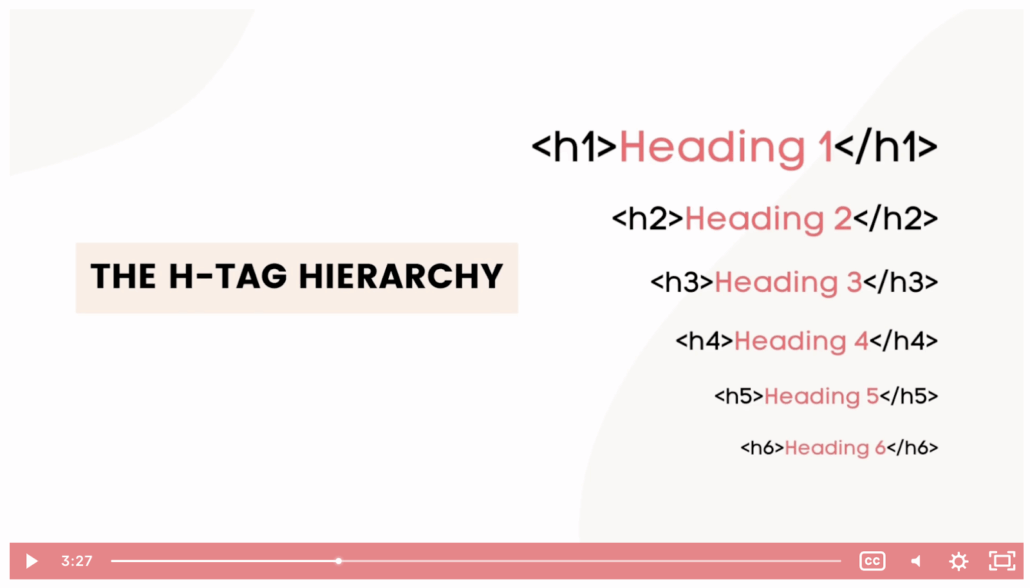
Your headings (H1, H2, H3) must create a proper document outline.
This helps readers navigate your post and helps Google and AI tools understand the structure and meaning of your content.
Your calls to action need to happen throughout the post—not just at the end.
And they must feel logical, relevant, and helpful (not random or unrelated).
Your lead magnets must be relevant—hyper-relevant.
The more closely related the freebie is to the topic, the higher the conversion rate. Think of them as “content upgrades” (“you just learned this thing, now this resource will help you take the next steps”) when embedding them in your blog posts.
You must provide a “here’s what to do next” moment at the end.
No exceptions. Always wrap up your posts with a call to action, even if all you’re doing is linking them to a related post.
When your post invites the reader forward—logically, naturally, and helpfully—they keep going. When it doesn’t, they bounce.
For a deeper dive into optimizing your posts, check out:
📌 10 Simple Ways to Write Blog Posts that Attract & Convert Customers
Reason #3: You’re Writing Tips Instead of Creating Transformation
Tips, tutorials, definitions, and how-to posts make up the bulk of most blog content out there and they’re great for:
- Topical authority (for Google and AEO/GEO visibility)
- Ranking for relevant search queries
- Attracting readers from multiple angles
- Giving search engines context
- Earning trust with your audience
These types of posts are valuable, but they’re supporting content.
They can convert if the reader is ready to buy, but most people aren’t. So their role is primarily to lead people deeper into your marketing funnel (to a next post, to subscribe, to follow, etc.).
In order to become ready to buy, they need to change what they believe and for that they need more than just information and tips. They need to be guided through a psychological journey:
“The way I’ve been doing things isn’t working…”
→ “There’s a better way that makes more sense…”
→ “I’m ready to move forward.”
This usually doesn’t happen in a one-off post, it happens over multiple touch points and time.
Which leads us to…
Reason #4: Your Content Isn’t Organized as a Journey
When your content exists as a collection of isolated ideas (topics chosen by keyword volume, trends, or “what you felt like writing”) — even if each individual post is strong — then:
- Readers won’t click deeper into your content
- Topics overlap (you feel like you’re always writing about the same things)
- You don’t know what to write next and every post feels like starting from scratch
These are all signs your blog is missing the structure that creates conversions.
Conversions happen when you think in terms of creating a sequence of posts that gradually shift someone from symptom-level awareness to solution-level readiness.
We talk about sequences all the time when we’re referring to email marketing – we set up an automated series of emails to welcome new subscribers and guide them toward our offers.
We don’t think of our blog posts this way because people don’t read them in a predictable, linear fashion. Instead, we think in terms of topic clusters.
But if you think of topic clusters more like an email sequence — where each piece of content is designed to meet people at different stages of awareness — you can turn topic clusters into a content funnel.
We call these “conversion clusters” and this post will show you exactly how it works:
📌 “Stop Writing for SEO: Build Conversion Clusters That Drive Sales.”
Your Next Step:
If you want a system that works for your buyers and gets cited by AI, I’m putting the final touches on something to help. It’ll simplify your process, help you convert more readers into buyers with your content, and future-proof your blog so it’s citable by AI and Google-friendly, too.